What happens when a cannabis-using mother decides to test her breast milk instead of relying on fear, assumptions, or someone else's opinion of her parenting?
In the case of cannabis advocate Maya Elisabeth, the results were non-detectable for the cannabis-derived compounds included in her test.
Her story sparked an important conversation about cannabis, breastfeeding, and the questions mothers are still struggling to get answers to. But one woman's test results are only part of a much bigger picture.
What does a non-detectable result actually mean? How much THC transfers into breast milk? Does detecting a cannabis-related compound automatically mean an infant is receiving an intoxicating dose? And what should a mother do when the available research cannot give her a simple yes-or-no answer?
Let's talk about it.

Who is Maya Elisabeth, and what did her test show?
Maya Elisabeth is a cannabis advocate and the founder of OM, a cannabis wellness brand.
In a Leafly article, Maya shared her experience testing her breast milk for cannabis compounds after giving birth to her son in early 2021.
According to the article, Maya was a regular cannabis consumer and had chosen to breastfeed. Her partner had concerns about THC transferring into her milk, so she sent a sample to a California cannabis testing laboratory without disclosing that the sample was breast milk. The reported results came back non-detectable for the cannabis-derived compounds tested.
For Maya, the experience was meaningful because it gave her information about her own sample, rather than forcing her to make a decision based entirely on generalized warnings. And that distinction matters.
Her result does not tell us what every breastfeeding mother's milk will contain. But it also should not be dismissed simply because it cannot answer every question about cannabis and lactation. A personal test result is a piece of information. The research helps us understand how to interpret it.
What does "non-detectable" actually mean?
A laboratory result of "non-detectable" does not necessarily mean that absolutely zero molecules are present. It means the laboratory did not detect the specific compounds it tested for at or above the applicable detection threshold, using that particular method. That distinction is important, but it does not make the result meaningless.
A result below a test's detection threshold is different from a result showing a measurable concentration. The test tells us something about what was detectable in that sample under those testing conditions. There are several details worth considering:
🌿 Which compounds were tested? A test looking for delta-9-THC is not necessarily testing for every cannabinoid or metabolite.
🌿 How sensitive was the method? Different methods have different detection and quantification limits.
🌿 When was the sample collected? Timing relative to use can influence what is measurable.
🌿 Was the method validated for human milk? A laboratory's ability to test cannabis products does not automatically establish that its method is validated for breast milk.
And there is one more distinction that deserves attention, because the word detection can be misleading when we're discussing cannabis. Detecting a cannabis-related compound does not automatically mean breast milk can get someone high. When people hear that a test detected "THC," they may picture intoxicating cannabis compounds in breast milk at a concentration capable of making a baby high. But a test result cannot establish that simply by reporting a positive finding.
Delta-9-tetrahydrocannabinol (delta-9-THC) is the primary intoxicating compound in cannabis. It is not the same substance as 11-nor-9-carboxy-THC (THC-COOH), a metabolite produced as the body breaks down THC. THC-COOH is generally considered non-intoxicating.
THC-COOH is commonly measured in drug testing, particularly urine testing, as an indicator of prior cannabis exposure. However, we cannot assume that every breast-milk test measures THC-COOH. Some laboratory methods specifically measure delta-9-THC, and research studies may test for different compounds depending on their purpose and analytical method. The exact compound being measured matters.
A result showing THC-COOH is not equivalent to a result showing a concentration of psychoactive delta-9-THC. Likewise, a test that detects delta-9-THC establishes that the compound was measurable under that method's conditions, but detection alone does not establish the dose an infant consumes, whether that dose is sufficient to cause intoxication, or whether harm has occurred.
The concentration matters. The amount of milk consumed matters. The compound being measured matters. And the test's detection threshold matters.
A positive result is not, by itself, proof that breast milk is "dosed" at an intoxicating level or that a baby can get high from consuming it. Establishing that would require much more information than a simple positive or negative result. At the same time, a non-detectable result does not prove that every cannabinoid is absent or that every possible risk has been eliminated. Detection, exposure, dose, intoxication, and harm are different questions. We should not treat them as interchangeable.
How much THC actually transfers into breast milk?
This is where the research deserves a closer look.
THC is lipophilic, meaning it has an affinity for fats. It can distribute into fatty tissues, and it can also enter breast milk. Because THC may be released from stored body fat over time, its presence in milk does not necessarily follow a simple pattern in which a mother uses cannabis, waits a fixed number of hours, and then has completely THC-free milk.
That is an important pharmacokinetic consideration. It is not, by itself, proof that an infant receives a clinically significant dose. To understand potential exposure, we need to look beyond the fact that THC can be detected and examine the amount that may transfer.
A small 2018 study by Baker and colleagues examined THC transfer into human milk after inhaled cannabis use by eight lactating women. The researchers estimated that the infant received an average of approximately 2.5% of the mother's weight-adjusted dose, with estimates ranging from 0.4% to 8.7%.
Read the study: Transfer of Inhaled Cannabis Into Human Breast Milk
That finding is important context. The estimated infant dose was only a fraction of the maternal dose in that study. However, there are two things we need to understand at the same time.
First, the amount that transfers into milk is not the same as the amount the mother consumed, and detecting THC in milk does not mean the baby receives the mother's dose.
Second, this was a small study. Its estimates should not be treated as a universal percentage for every mother, product, route of administration, frequency of use, or infant.
We cannot take the lowest estimate and promise every mother that her infant's exposure will be that low. We also cannot take the fact that THC transfers into milk and leap straight to the conclusion that any detectable amount will cause harm. The actual exposure depends on multiple factors, including the mother's use pattern, the concentration in her milk, the amount of milk consumed, and the infant's characteristics. The important question is not merely, "Can THC get into breast milk?"
It can.
The more useful questions are: How much is present? How much does the infant consume? What does that exposure mean biologically? And what do we actually know about the potential outcomes?
Those questions require more research than a simple detection result can provide.
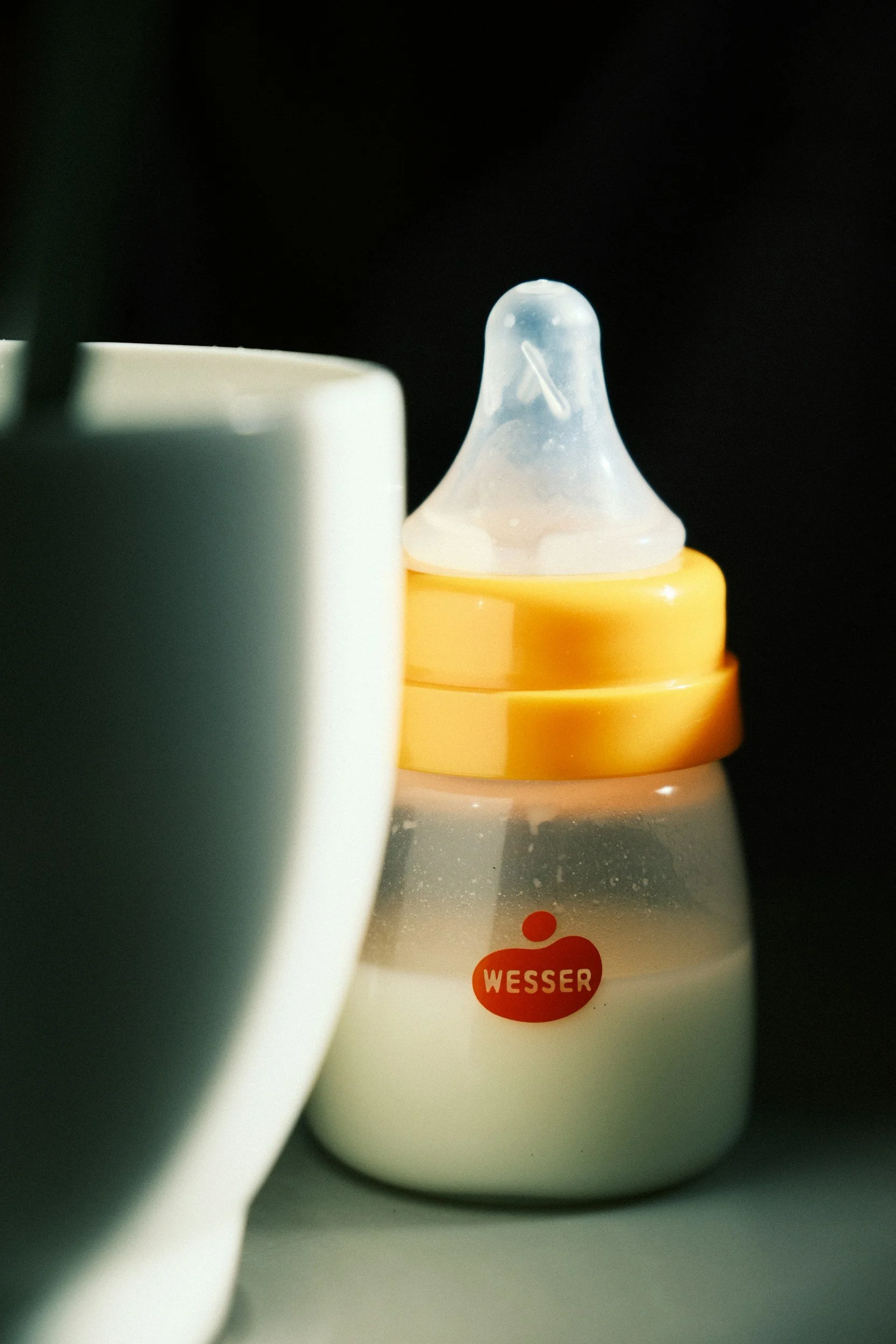
What does the research say about how long THC can be detected?
Studies have found that THC can remain detectable in breast milk beyond the immediate period following cannabis use.
One 2018 study published in Pediatrics examined 54 breast-milk samples from 50 mothers who reported marijuana use. Delta-9-THC was detected in 34 of the 54 samples, and the researchers reported detection up to approximately six days after the last reported use.
Read the study: Marijuana Use by Breastfeeding Mothers and Cannabinoid Concentrations in Breast Milk
Another study published in 2021 examined THC concentrations in breast milk over time and found that THC could remain detectable for an extended period among participants who had used cannabis regularly.
Read the study: Persistence of Δ-9-Tetrahydrocannabinol in Human Breast Milk
These findings help demonstrate why a universal waiting period cannot guarantee a non-detectable result for every mother.
But remember what these studies are measuring: the presence and concentration of particular compounds. They do not establish that every infant who consumed milk containing detectable THC became intoxicated or experienced a particular adverse outcome. That distinction is not an excuse to ignore potential risks. It is the difference between accurately describing the evidence and claiming that the evidence says something it did not actually demonstrate.
What about the research on potential harm?
This is where intellectual honesty matters most.
We do not have enough high-quality evidence to confidently quantify every potential risk associated with cannabis exposure through breast milk. Studies face real challenges, including differences in cannabis potency, frequency and route of use, other substance exposures, maternal health, infant age, and the difficulty of separating the effects of prenatal exposure from exposure during breastfeeding. Those limitations matter when interpreting both reassuring findings and concerning ones.
A lack of definitive evidence of harm is not proof of safety. But a lack of definitive evidence of safety is not, by itself, proof that a particular exposure will cause harm, either. Both statements can be true.
The Centers for Disease Control and Prevention (CDC) recommends avoiding cannabis and CBD products while breastfeeding because the available evidence is insufficient to establish safety. The CDC also explains that THC can pass into milk, may remain detectable for an extended period, and that secondhand smoke and caregiver impairment are separate concerns. (We’ve addressed this in other posts.)
Those are important considerations, especially for newborns and other vulnerable infants. But a recommendation based on uncertainty should not be misrepresented as proof that every exposure has the same risk or that every mother who makes a different decision is harming her child. The evidence does not support that kind of certainty.
And mothers deserve better than being handed a blanket warning without a meaningful explanation of what is known, what remains uncertain, and how those facts apply to their own circumstances.
What about Milk Monitor? Can mothers test their own breast milk?
One of the most practical developments in this conversation is Milk Monitor, a project associated with Texas Tech University.
Milk Monitor is described as a consumer-focused product designed to test breast milk for active THC using test strips, with results intended to be available within minutes. For mothers who want additional information about their own milk, the idea of an accessible, at-home test is significant. It offers a potential way to obtain sample-specific information rather than relying exclusively on population-level studies.
There is an important practical detail, though: the Texas Tech project page does not provide a dedicated product checkout page or direct purchase link. The project information indicates that Milk Monitor sells directly to consumers, but interested mothers are directed to contact Texas Tech for further information rather than being sent to a product-specific checkout.
The contact information listed on the Texas Tech page is:
Email: researchpark@ttu.edu
Phone: 806-742-0024
Address: Texas Tech Innovation Hub, 3911 4th Street, Lubbock, Texas 79415
If you are interested in purchasing a test, contact them directly to ask about current availability, pricing, eligibility, instructions, and what the test can and cannot tell you.
It is also worth asking which compound the strip detects, its detection threshold, whether the method has been validated for breast milk, and how the manufacturer recommends interpreting a positive or negative result. A test can provide useful information without answering every question about infant exposure or long-term outcomes. And a negative result should be interpreted according to the specific test's capabilities, not as a universal guarantee that no cannabinoid is present or that an exposure is risk-free.
Could a laboratory test breast milk instead?
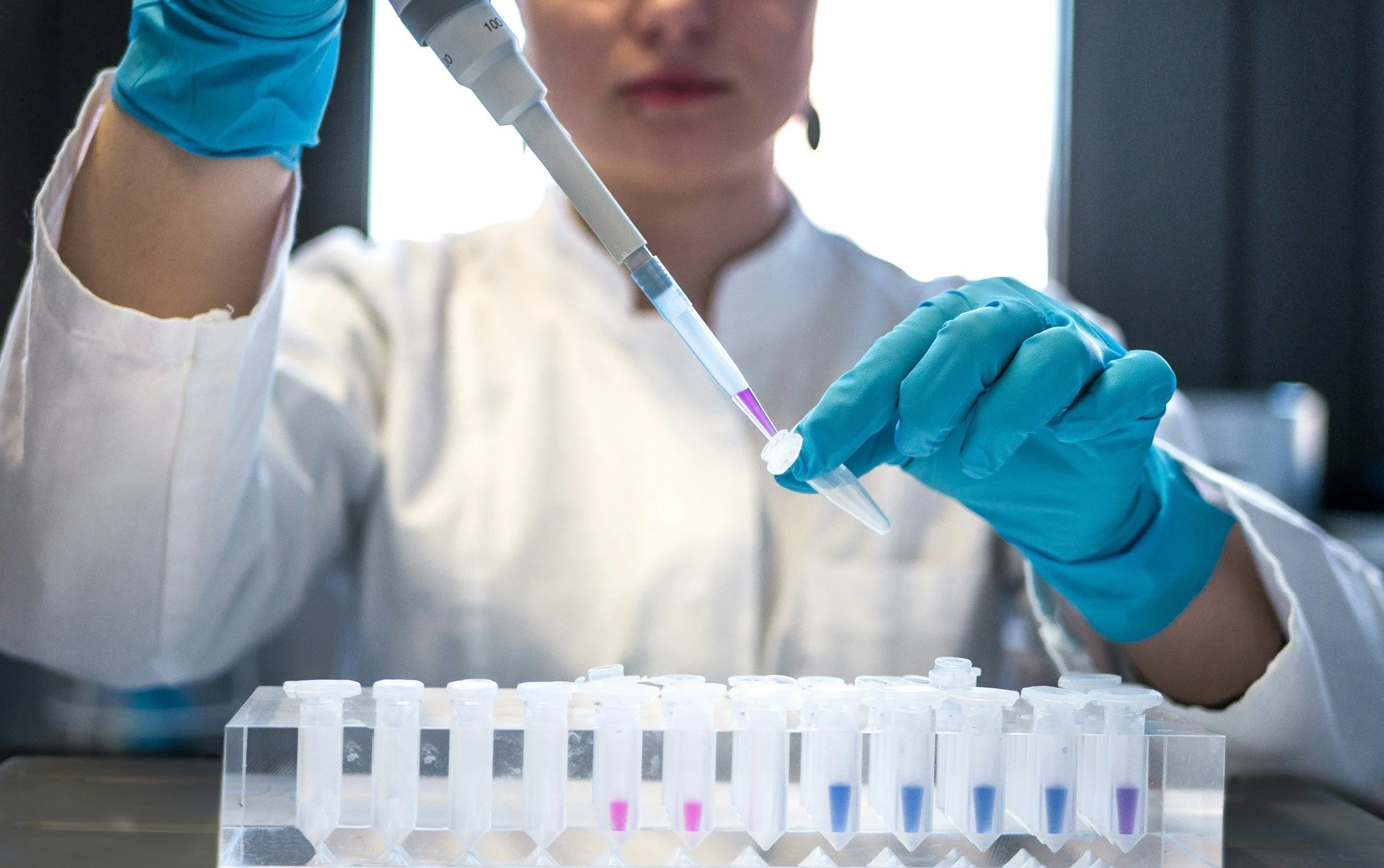
Potentially, but mothers should confirm that a laboratory actually accepts human breast milk samples before sending anything.
A laboratory that tests cannabis flower, concentrates, oils, or finished cannabis products is not automatically equipped or authorized to test human milk. The sample matrix, analytical method, collection procedures, and reporting standards matter.
If you want to explore laboratory testing, contact a laboratory directly and ask:
🌿 Do you accept human breast milk samples from individual consumers?
🌿 Can you test for delta-9-THC specifically?
🌿 Which other cannabinoids or metabolites, if any, are included?
🌿 What are the method's detection and quantification limits?
🌿 Has the method been validated for human breast milk?
🌿 What collection, storage, shipping, and handling instructions must be followed?
🌿 Will the report explain what a non-detectable result means for that particular method?
For a list of licensed cannabis testing laboratories in California, you can start with the California Department of Cannabis Control's testing laboratory information. Be aware that licensure for cannabis-product testing does not establish that a laboratory accepts breast milk.
You can also explore Mommy's Milk Research Repository, which shares information about human milk research. It is a research resource, not a confirmed direct-to-consumer testing service.
Please verify any testing arrangement, cost, and sample requirements before sending a sample or paying for a service.
So, what should a mother do?
This is the part I wish more conversations about cannabis and breastfeeding made room for.
There is no single answer that can responsibly account for every mother's health, circumstances, cannabis use, infant, and available support.
If you are breastfeeding and use cannabis, the decision deserves to be informed by the best evidence available, your individual circumstances, and a realistic assessment of both potential benefits and potential risks.
Here are some considerations worth discussing with a qualified, cannabis-informed healthcare professional.
1. Consider why you use cannabis and what alternatives are realistically available to you.
Some mothers use cannabis recreationally. Others use it while managing chronic pain, nausea, appetite problems, sleep difficulties, or other symptoms that affect daily functioning. Those circumstances are not interchangeable.
If cannabis helps you manage a condition that would otherwise significantly affect your well-being, that context belongs in the conversation. So do alternative treatments, their potential risks, their effectiveness, and whether they are accessible to you.
A risk-versus-benefit assessment should consider the mother's health and functioning, too. Maternal well-being is not irrelevant simply because a baby is involved.
2. Consider your pattern of use and ways to reduce avoidable exposure.
Frequency, amount, product potency, and route of administration can affect exposure. Reducing use may reduce exposure, although it cannot guarantee a particular milk concentration or a non-detectable result.
Avoid smoking or vaping around your baby, and prevent secondhand exposure. Make sure a sober, unimpaired adult can safely care for your child, and never bed-share while impaired.
Edibles, tinctures, and other non-inhaled products are not automatically risk-free for breastfeeding. They may have different absorption and duration profiles, and the route alone cannot tell you how much THC may reach milk.
3. Consider what testing can tell you, and what it cannot.
If you have access to a test designed for breast milk, its results may provide useful information about your own sample.
A non-detectable result does not guarantee zero exposure under all circumstances, and a detectable result does not automatically tell you the dose your infant receives or establish that harm has occurred.
Testing is one source of information. It is not a substitute for understanding the method, the research, and your own circumstances.
4. Weigh the potential consequences beyond pharmacology.
This conversation is not only about what may pass into breast milk. Mothers also need to understand the environment in which they are making these decisions.
Depending on where you live and the circumstances involved, cannabis use during pregnancy or breastfeeding may carry legal, medical, or child-welfare consequences. Policies and reporting obligations vary by jurisdiction and situation. A positive test, a medical disclosure, or a report to child-welfare authorities can have consequences that are separate from whether an infant has experienced a measurable pharmacological effect.
That does not mean every mother will face those consequences, nor does it mean fear should be the only factor guiding a decision. It means the potential consequences are part of the real-world risk assessment and should not be hidden from mothers who deserve to make informed choices.
If you are concerned about your specific legal situation, seek information from a qualified local attorney or an appropriate maternal-health advocacy organization. Do not assume that the rules are the same everywhere.
5. Make the decision that is right for your circumstances, with the information available to you.
The CDC recommends avoiding cannabis while breastfeeding because safety has not been established. Other professional guidance, including the Academy of Breastfeeding Medicine's Clinical Protocol #21, emphasizes individualized, patient-centered care and shared decision-making in substance-use situations.
You deserve to understand those recommendations and the reasons behind them. You also deserve a conversation that acknowledges your health, your needs, your values, and the practical realities of your life.
The decision to continue breastfeeding, change your cannabis use, seek testing, explore alternatives, or discuss a different feeding plan is a personal one to make with the information and support available to you.
No article can make that decision for you. Neither can a single laboratory result.
What matters is that you are not pressured into making it through shame, fear, or misinformation.

The bottom line: mothers deserve information, not stigma
Maya Elisabeth's story does not prove that cannabis use during breastfeeding is risk-free. But it raises a valuable question: What happens when mothers have access to information about their own bodies instead of being expected to make decisions based on assumptions?
Research shows that THC can transfer into human milk. It also shows that exposure through milk is not equivalent to the mother's dose, and that the amount transferred, the concentration measured, the compound detected, and the potential effects are distinct questions.
A test detecting a cannabis-related compound does not automatically mean the milk contains an intoxicating dose. A measurable delta-9-THC result deserves to be understood in the context of concentration and actual infant exposure, while a THC-COOH result is not interchangeable with a delta-9-THC result. We need more research that measures exposure carefully and investigates meaningful infant outcomes. We need testing methods that are appropriate for human milk, clear explanations of what test results mean, and more accessible ways for mothers to obtain reliable information. And we need healthcare conversations that make room for nuance.
A mother can take potential risks seriously without accepting the idea that she is automatically a bad parent. She can ask difficult questions without being dismissed. She can weigh competing needs without pretending that uncertainty has disappeared. Informed decision-making means being honest about what we know, what we do not know, and what matters to the person making the decision.
Mothers deserve nothing less.
Sources and further reading
🌿 Maya Elisabeth's breast milk testing story: Leafly
🌿 OM, Maya Elisabeth's cannabis wellness brand: Official website
🌿 Milk Monitor at Texas Tech University: Project information and contact details
🌿 Baker et al. (2018), transfer of inhaled cannabis into human breast milk: PubMed
🌿 Bertrand et al. (2018), cannabinoid concentrations in breast milk: Full study
🌿 Wymore et al. (2021), persistence of THC in human breast milk: PubMed
🌿 Centers for Disease Control and Prevention, marijuana and breastfeeding: CDC guidance
🌿 Academy of Breastfeeding Medicine, Clinical Protocol #21: Full protocol
🌿 Mommy's Milk Research Repository: Research collaborations and publications
This article is for educational purposes only and is not medical or legal advice. It does not diagnose, treat, or guarantee the safety of any cannabis product or feeding decision. Research is ongoing, and individual circumstances vary. Consult an appropriately qualified healthcare professional for individualized guidance and a qualified local legal professional for questions about your rights and obligations.